

Golden Waffle Issues Hotel Breakfast Planning Guidance for 2027

Golden Waffle batter dispenser and commercial waffle machine shown in a hotel breakfast station setting.
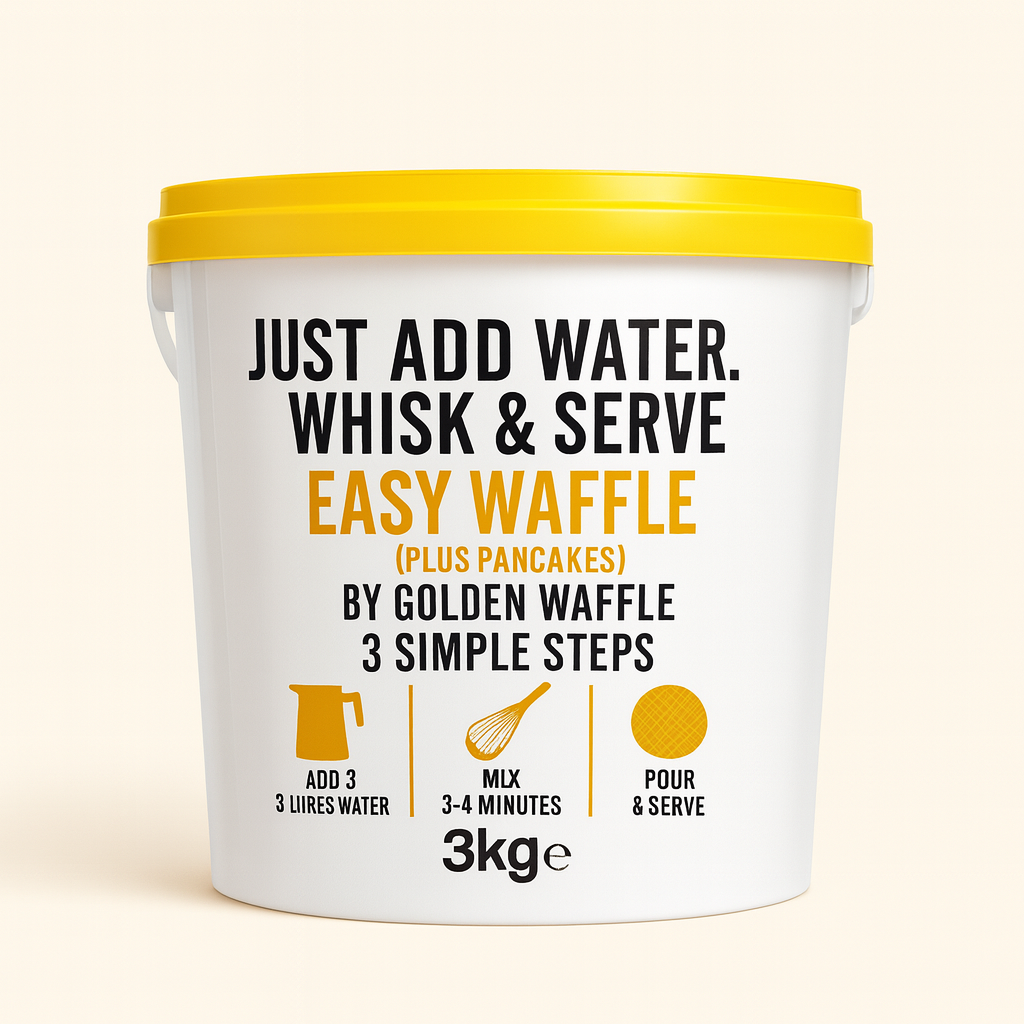
Golden Waffle just-add-water commercial waffle mix for hotel breakfast, brunch and dessert service.
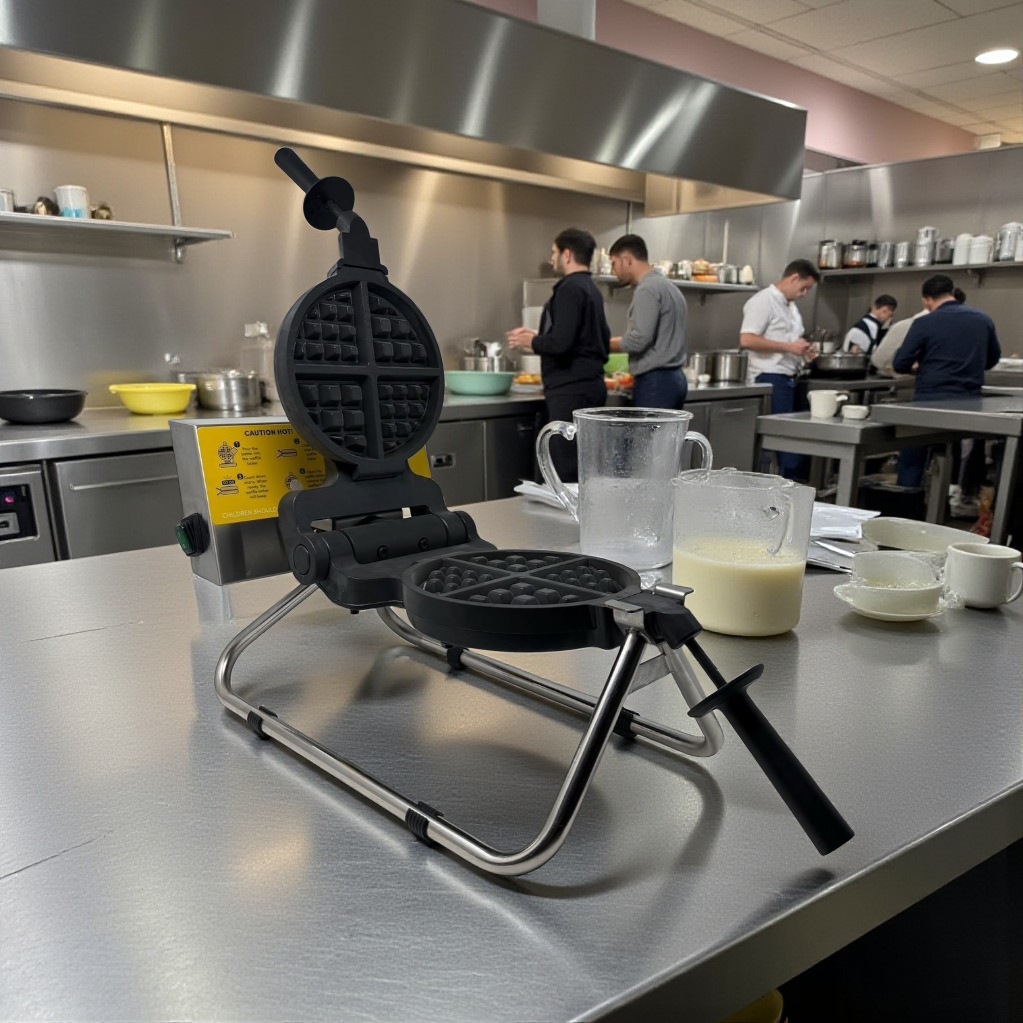
Golden Waffle commercial waffle machine for hospitality operators.

Golden Waffle supplies commercial waffle mix and equipment for UK hospitality.
UK supplier outlines waffle service, equipment and menu costing, alongside wholesale and private-label opportunities for hospitality businesses.
MANCHESTER, GREATER MANCHESTER, UNITED KINGDOM, October 6, 2026 /EINPresswire.com/ -- Golden Waffle Group Ltd is setting out practical breakfast planning guidance for UK hotels reviewing their menus for 2027, with a focus on bringing freshly cooked waffles into service through clear portion control, suitable equipment and straightforward preparation. The Manchester-based hospitality supplier is inviting hotel owners, food and beverage managers and purchasing teams to discuss how a waffle offer could fit their operation, alongside wholesale supply and private-label enquiries from established foodservice businesses.The guidance brings together the decisions that determine whether a waffle station works commercially: how many guests need to be served, how quickly they arrive, what staff must prepare, how portions are controlled and how the finished offer is presented. Golden Waffle supplies UK-blended just-add-water commercial waffle mix, commercial machines and hospitality support, giving operators a starting point for evaluating ingredients and equipment together.
For the company, the opportunity is to make breakfast development more practical. A visually appealing menu addition still needs to fit a property's counter space, staffing pattern and purchasing arrangements. Golden Waffle's approach places those questions alongside taste and presentation, encouraging hotels to assess the complete service before deciding on a permanent installation or a wider group rollout.
Breakfast planning starts with the guest experience
A successful breakfast offer has to make sense to the person choosing it. A freshly cooked waffle can provide a recognisable option that guests personalise with their preferred toppings, while also creating a visible point of preparation. The precise format will depend on the property: a staffed station, a suitably managed self-service arrangement or a plated dish prepared to order can each serve a different operating model.
Golden Waffle recommends beginning with the hotel's existing breakfast journey. Managers should consider where guests collect plates, where drinks are served and whether a new cooking point would interrupt movement around the buffet. A station that looks attractive in an empty dining room may work differently when several families or a coach party arrive together. Planning for that busiest period is more useful than judging the setup only during a quiet demonstration.
The menu should also tell guests what they are choosing. Clear instructions, an understandable topping selection and a consistent finished presentation can help the offer feel intentional. Hotels can test a simple signature combination before introducing seasonal variations. The objective is to create an addition that fits the property's breakfast identity and can be delivered reliably by the team responsible for everyday service.
A simpler preparation process for breakfast teams
Golden Waffle's just-add-water mix does not require staff to add fresh eggs, butter or oil during preparation. Available commercial formats include 13.5kg cases containing six 2.25kg bags and 3kg resealable tubs. The mix can also be used for American-style pancakes, following the preparation instructions for that application. Operators should use the directions supplied with the current product and confirm the method in their chosen equipment.
For a hotel reviewing its kitchen routine, the practical question is how a defined preparation method can fit into opening checks and replenishment. A written batch procedure should identify the quantities to measure, the equipment to use and who is responsible for preparing the next batch. That makes it easier to hand the task between shifts and to investigate any difference in the finished product.
A straightforward recipe still needs consistent execution. Hotels should agree a standard portion, check that staff understand the machine controls and document the presentation they want guests to receive. A photograph of the expected waffle and topping arrangement can support that process. Managers can then assess preparation, cooking and service as distinct tasks, rather than assume that a change of mix automatically resolves every operational issue.
Product information should stay with the operating instructions. A just-add-water preparation method describes what staff add to the mix; it should not be used as a substitute for checking the product's ingredient and allergen declaration. Hotels should use the current packaging and supplied specification when answering guest questions, and ensure the team knows where that information is kept. This is especially useful when a menu photograph or a short buffet label cannot explain the full product specification.
Understanding the real cost of each serving
Golden Waffle encourages purchasing teams to calculate cost from their own measured output. The price of a bag or case is only one part of the decision. Waffle size, batter portion, toppings, wastage and the way the item is served all affect the economics. A useful comparison uses the same finished portion and includes the costs relevant to the hotel's actual service model.
The starting calculation is straightforward: divide the ingredient cost allocated to a test batch by the number of usable portions it produces. Then add the topping allowance and other relevant serving costs. Labour and energy should be assessed separately using reasonable operating assumptions. This gives managers a clearer view of the offer than a headline ingredient figure presented as if it represented the entire cost of breakfast.
For a buffet included in the room rate, the hotel should consider take-up among breakfast guests and the effect on the overall food offer. For a separately priced brunch or dessert, it should assess the selling price and contribution after relevant costs. Those are different commercial questions. A waffle station should be evaluated against the role it is intended to play, with any expected improvement checked against a recorded baseline.
Equipment decisions should follow peak demand
Hotels considering commercial waffle machines should estimate demand during the busiest part of service. An average number of breakfasts across the morning can conceal a short, concentrated rush. Managers can record guest arrivals in short intervals and use a practical equipment demonstration to understand the number of portions the proposed setup can deliver, allowing for normal staff handling and occasional interruptions.
Counter space, power provision, operating clearances and the location of batter and utensils should be considered before equipment is selected. The team also needs a clear route for replenishing supplies without disrupting guests. For a self-service proposal, the hotel should review supervision, instructions and suitability within its own operating procedures. These decisions help establish whether one cooking point is appropriate or whether another service arrangement would be more effective.
Golden Waffle offers an on-loan route for approved hospitality businesses, subject to status, availability and a written supply agreement. Standard terms may include a refundable £295 security deposit and an agreed mix-purchase commitment. The machine remains Golden Waffle property. Equipment can also be purchased outright. Hotels should compare the written terms, expected volume and ownership preference before selecting the arrangement that suits their business.
Building a trial around useful evidence
Golden Waffle welcomes sample enquiries from eligible hospitality businesses. An initial product evaluation should be carried out with the intended portion size and equipment wherever possible. A tasting can establish whether the product meets the hotel's expectations, while a service trial can show how it fits the team, the counter and the rhythm of breakfast. Both types of feedback help purchasing decisions.
Before testing, managers should decide what they need to learn. Useful measures include preparation time for a defined batch, usable portions, leftover batter, queue length and staff observations. Guest feedback should be gathered in a consistent way, with the number of responses recorded. The trial period should be long enough to include the types of service that matter to the property, rather than relying on one particularly quiet or busy morning.
Results are most useful when the context is retained. A hotel should note occupancy, breakfast attendance, staffing and any change in portion or presentation during the test. If the first arrangement creates a bottleneck, the team can adjust the layout or service method and record what changed. This turns a product trial into a practical decision process, with evidence that can be shared between operations and purchasing.
Presentation, toppings and opportunities beyond breakfast
The finished waffle should support the hotel's wider food identity. A restrained breakfast presentation may suit one property, while another may prefer a more substantial brunch dish. Fruit, sauces and other accompaniments should be chosen with portioning and replenishment in mind. Starting with a focused selection allows the team to understand guest preferences before adding more stock lines or preparation tasks.
Hotels can also consider where the same core product might fit elsewhere in their operation. An afternoon menu, a family dining offer or a separately priced dessert may justify a different presentation. Each use should be costed and tested independently, including the time needed to prepare and serve it. Reusing an ingredient across menus can be useful, but the commercial case depends on demand and the way the kitchen is organised.
Golden Waffle recommends evaluating the complete plate rather than relying on a photograph alone. The serving vessel, topping quantity, temperature at service and ease of eating all affect the experience. Feedback from the people preparing and clearing the dishes can be as useful as a manager's tasting. A repeatable presentation provides a stronger foundation for menu development than a complex dish that only one team member can reproduce.
A purchasing framework for hotel groups
For a group of properties, a common product specification can provide a shared starting point while leaving room for local operating differences. Central purchasing teams can define the approved mix and presentation standards, then assess equipment needs at property level. A city hotel with concentrated weekday demand may need a different layout from a leisure property with longer family breakfast sittings.
A group trial should establish which elements must remain consistent and which can vary. Shared measures might include portion size, product acceptance and the method used to record waste. Site-specific measures might include queue management, counter layout or replenishment frequency. Keeping those distinctions visible helps avoid applying one property's experience to every other location without checking whether the conditions are comparable.
A rollout plan should also identify the people responsible for ordering, receiving goods, training colleagues and reporting equipment issues. A common specification is more useful when it is supported by a clear local process. Groups can begin with representative properties and review the results before expanding. Golden Waffle welcomes discussions about multi-site requirements so proposed supply arrangements can be considered against the customer's expected demand.
Wholesale opportunities linked to hospitality demand
Alongside direct hotel enquiries, Golden Waffle is inviting discussions with UK wholesalers, cash-and-carry businesses and foodservice distributors interested in supplying its products to hospitality customers. Commercial case and pallet supply can be discussed according to the format, destination and purchasing volume required. Distributor arrangements are subject to approval and agreed commercial terms, with quantities and delivery requirements confirmed through quotation.
For a wholesaler, the opportunity should be assessed through its existing customer base. A business serving hotels may need a different product presentation from one focused on dessert shops or independent cafés. Buyers can map likely demand, review storage and delivery requirements and decide how their sales teams would explain the preparation method. A clear customer use case gives a proposed listing a more practical starting point.
Golden Waffle's published wholesale information covers product specifications, preparation guidance and potential sales support for approved partners. Prospective distributors are encouraged to provide their trading area, customer profile, expected volumes and preferred formats. Those details help structure the discussion around an actual route to market. The company is seeking enquiries from businesses able to assess recurring foodservice demand and represent the range clearly to their customers.
Own-brand waffle mix for established businesses
Golden Waffle also accepts private-label enquiries from suitable hospitality groups, wholesalers, retailers and foodservice brands. Private-label supply allows a business to discuss selling mix under its own approved branding and packaging. Available options, minimum quantities and lead times depend on the particular project. An enquiry should distinguish between applying a customer's branding to an existing product and requesting any additional development work.
A useful own-brand brief begins with the intended customer and sales channel. A foodservice bag, a retail pack and a product supplied within a franchise system may require different specifications and order patterns. Buyers should identify preferred pack size, expected annual volume and the markets in which the product would be sold. These details help determine what needs to be quoted and which questions must be resolved before production is planned.
Brand owners should also consider how instructions and product information will reach the final operator. The visual identity is only one part of the proposition. Clear preparation guidance, an agreed specification and a realistic reorder plan help connect the pack to the service it is intended to support. Golden Waffle welcomes early discussions from established businesses that have a defined audience and are assessing the practicality of an own-brand range.
Enquiries for 2027 breakfast and supply planning
The company is inviting hotels to begin discussions with a short description of their breakfast operation, approximate covers, preferred service style and location. Existing equipment and available counter space are also useful starting points. Wholesalers should outline their customer base and expected purchasing requirements, while private-label applicants should provide their preferred format and projected volume. Each enquiry can then be considered against the relevant products and commercial arrangements.
Golden Waffle's guidance is intended to make those conversations more specific. It gives operators a way to connect guest appeal with measured portions, realistic capacity and purchasing decisions. Hotels can use the framework whether they are exploring waffles for the first time or reviewing an existing offer. The next step is a discussion about the property's requirements, followed by the appropriate product information, sample enquiry or equipment proposal.
About Golden Waffle
Golden Waffle is the trading brand of Golden Waffle Group Ltd, a UK hospitality supplier offering UK-blended commercial waffle mix, commercial waffle equipment and support for foodservice operators. The business welcomes enquiries from hotels, cafés, restaurants, dessert venues, wholesalers and multi-site organisations, including discussions about private-label supply. Its website provides product information and routes for hospitality and trade enquiries.
Further information is available at www.goldenwaffle.com. Hotel breakfast, wholesale and own-brand enquiries can be directed to Keith Wareing at Golden Waffle Group Ltd on 07999 373839, or +44 7999 373839 from outside the UK. The company's commercial enquiry email is sales (at) goldenwaffle (dot) com.
Keith Wareing
Golden Waffle Group Ltd
+44 7999373839
sales@goldenwaffle.com
Visit us on social media:
LinkedIn
Instagram
YouTube
TikTok
Legal Disclaimer:
EIN Presswire provides this news content "as is" without warranty of any kind. We do not accept any responsibility or liability for the accuracy, content, images, videos, licenses, completeness, legality, or reliability of the information contained in this article. If you have any complaints or copyright issues related to this article, kindly contact the author above.
